For years, Western leaders insisted that Iran was isolated, weakened, and cornered.
Yet every new crisis in the Middle East seems to end the same way: Iran survives, global markets panic, and Washington scrambles to contain the fallout.
That reality exposes a hard truth many policymakers still refuse to admit — Iran leverage is now one of the defining forces in global geopolitics.
Military power alone no longer determines who controls the region. Economic pressure, energy chokepoints, proxy influence, and strategic endurance matter just as much.
On those fronts, Iran has built a formidable hand.
Iran’s leverage on shipping
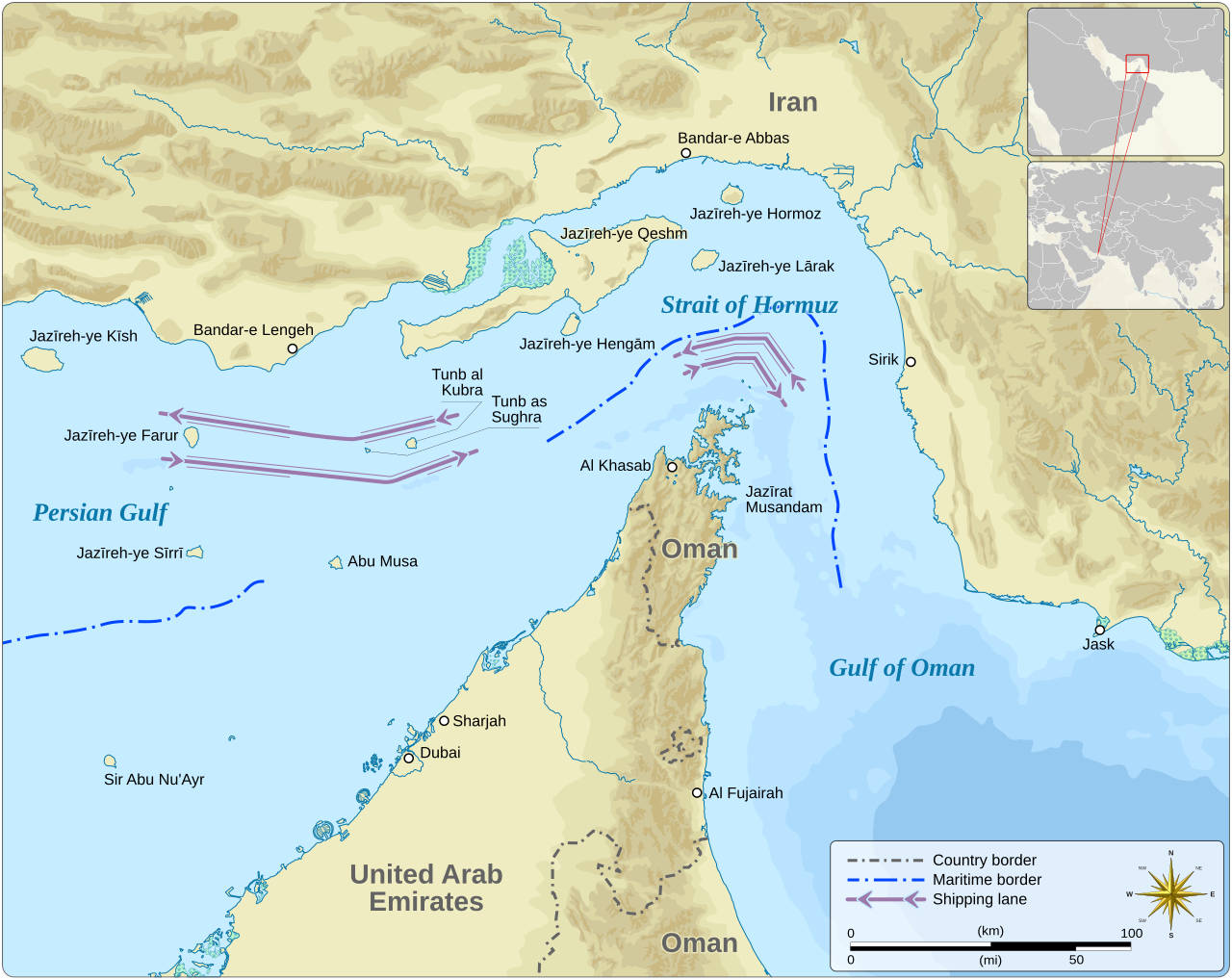
The clearest example of Iran’s leverage is the Strait of Hormuz.
Roughly a fifth of the world’s oil supply historically passed through this narrow corridor, giving Tehran enormous influence over global energy markets.
Even partial disruption sends oil prices soaring and rattles economies worldwide.
Analysts increasingly argue that Iran’s ability to threaten shipping routes has become its strongest bargaining chip.
That is the core of modern Iran leverage: Tehran does not need to defeat the United States militarily to impose massive costs on its rivals.
It only needs to create instability that the rest of the world cannot afford to ignore.
This strategy has worked repeatedly.
Despite sanctions, military strikes, diplomatic isolation, and decades of economic warfare, Iran’s government remains firmly in power.
More importantly, Iran continues to shape events across Iraq, Syria, Lebanon, Yemen, and the Gulf.
Iran’s leverage with proxy forces
Its network of allied militias and proxy forces allows Tehran to pressure adversaries without triggering a full-scale conventional war.
Even critics of the regime acknowledge that Iran has mastered asymmetric conflict better than almost any country on Earth.
Meanwhile, America’s leverage has steadily weakened. Endless wars in the Middle East drained political support at home.
Gulf states increasingly prioritize stability over confrontation. European governments fear energy shocks more than they fear Iranian rhetoric.
China and Russia also provide Tehran with diplomatic breathing room that did not exist twenty years ago.
That changing landscape explains why negotiations with Iran rarely produce the decisive outcomes Washington promises.
The United States can impose pain, but Iran has demonstrated an extraordinary ability to absorb punishment while still maintaining regional influence.
It’s about endurance
Analysts at the Center for Strategic and International Studies recently described the current standoff as “a struggle of political endurance and bargaining leverage,” not outright military dominance.
That distinction matters enormously.
Iran understands that modern geopolitics is about endurance. Democracies grow impatient.
Markets panic quickly. Voters revolt over inflation and gas prices.
Tehran’s leadership calculates that its adversaries often have less tolerance for prolonged instability than Iran itself.
The recent shipping crisis reinforces that point. Even limited disruptions in Gulf shipping lanes triggered higher oil prices and renewed fears of global economic instability.
Reports indicate Iran has attempted to use those disruptions as direct leverage in negotiations over sanctions and military pressure.
Critics argue that Iran is economically weak, and that is true to a degree. Sanctions have battered its economy, inflation remains severe, and internal unrest persists.
But weakness does not eliminate leverage. In fact, desperate states often become more unpredictable and more willing to use disruptive tactics.
Iran’s leaders understand that they sit at the intersection of global energy markets, regional sectarian politics, and strategic trade routes.
That geography alone guarantees influence. Add in missile capabilities, cyber operations, proxy networks, and nuclear brinkmanship, and Iran becomes impossible to ignore.
Imposing costs is power
This is why repeated predictions of Iranian collapse have failed for decades.
Western policymakers often mistake economic suffering for strategic defeat.
But Iran has adapted to sanctions, built black-market trading systems, expanded ties with China, and developed methods of economic survival outside traditional Western financial structures. The regime may not be prosperous, but it remains resilient.
That resilience is the real story behind Iran leverage.
Whether one supports or opposes Tehran’s government is beside the point. The facts are increasingly difficult to deny: Iran has positioned itself as a country capable of inflicting economic and geopolitical pain far beyond its raw economic size.
And in modern geopolitics, the ability to impose costs is power.
Leave a Reply