Why Met Gala Fashion Has Lost Touch With Reality
Every year, the internet treats the Met Gala like the Super Bowl of style. Millions of people scroll endlessly through photos, fashion breakdowns, and celebrity entrances while media outlets breathlessly declare who “won the night.”
But the truth is far less glamorous than the hype suggests.
Modern Met Gala fashion has become increasingly absurd, self-indulgent, and disconnected from reality.
What was once promoted as a celebration of creativity and couture now feels more like a contest to see who can wear the most impractical, bizarre, or attention-seeking outfit possible.
The event no longer showcases elegance or artistic sophistication.
Instead, Met Gala fashion often resembles expensive performance art designed purely to dominate social media trends for 24 hours.
And frankly, much of it looks foolish.
The problem with contemporary Met Gala fashion is that shock value has completely replaced style.
Celebrities no longer aim to look good. They aim to go viral. That distinction matters.
Giant feathers? Give me a break
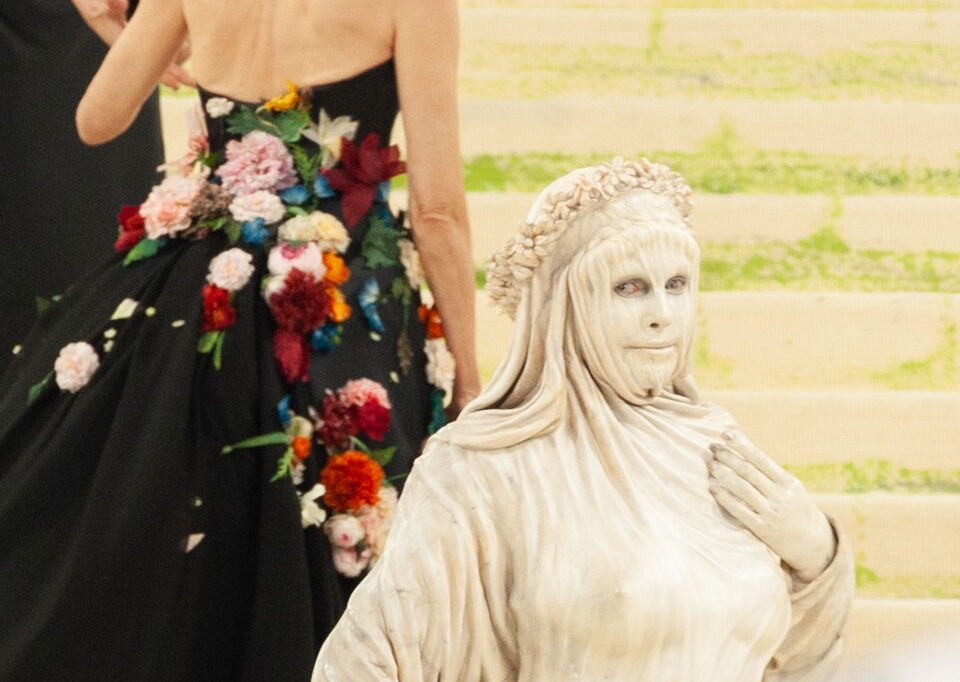
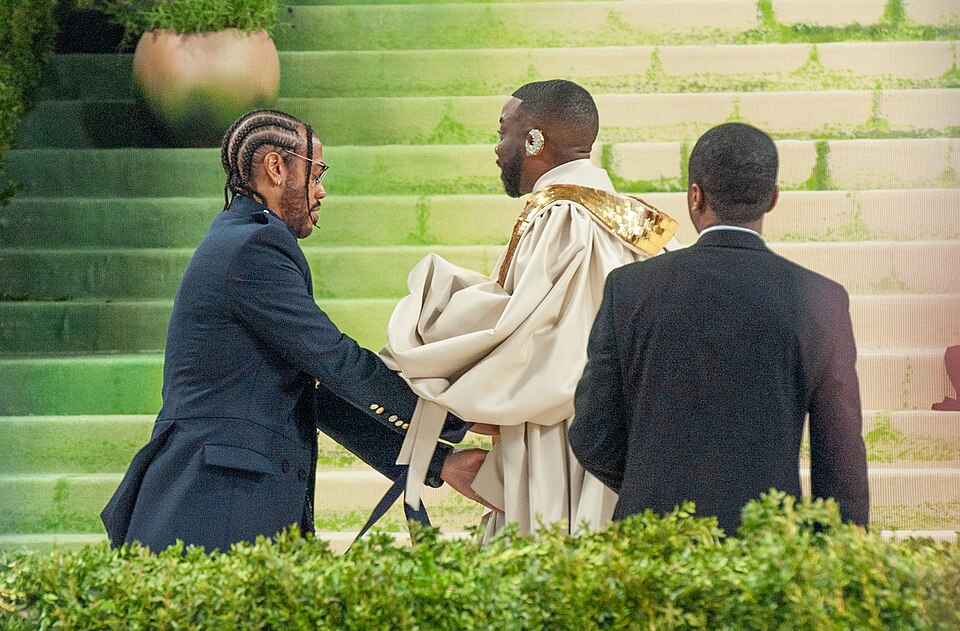
A giant feathered headpiece taller than a doorway is not fashion. A dress requiring six assistants to move across a staircase is not fashion.
Outfits so overdesigned they resemble Halloween costumes stitched together during a caffeine-fueled panic are not groundbreaking artistic statements.
They are publicity stunts disguised as high culture.
Yet fashion media continues pretending these looks are profound simply because they are expensive.
The Met Gala has created an environment where celebrities are rewarded for appearing ridiculous.
The more impractical the outfit, the more attention it receives online.
In turn, designers compete to outdo one another with increasingly exaggerated creations that prioritize spectacle over beauty, wearability, or taste.
Met Gala Fashion: Pushed into parody
That cycle has pushed Met Gala fashion into parody territory.
There is also something deeply disconnected about watching ultra-wealthy celebrities parade around in outfits worth hundreds of thousands of dollars while ordinary Americans struggle with rent, groceries, and healthcare costs.
The event often projects a tone-deaf extravagance that feels increasingly out of touch with the real world.
Fashion itself is not the problem. Great fashion can be expressive, innovative, and culturally meaningful.
But the Met Gala increasingly celebrates excess for the sake of excess. It turns fashion into a caricature of elitism.
Many attendees do not even appear comfortable in what they are wearing. They wobble up stairs, struggle to sit down, and pose stiffly beneath layers of fabric, metal, or theatrical props.
The result often feels less like confidence and elegance and more like celebrities trapped inside elaborate museum displays.
And perhaps that is the point.
Engineered for memes
Met Gala fashion today is engineered for screenshots, memes, and endless online commentary.
It is designed for algorithms, not admiration. The event has become social media theater masquerading as sophistication.
The irony is that the most memorable fashion moments are often the simplest ones. A sharply tailored suit. A timeless black gown. A look that communicates personality without screaming for attention.
Real style has restraint. Real elegance does not require a circus act.
But restraint does not trend on TikTok.
That reality explains why so many Met Gala outfits now look intentionally ridiculous. Designers and celebrities understand that controversy generates engagement.
A tasteful outfit might earn compliments, but an outrageous one dominates headlines and floods social feeds.
In other words, foolishness has become the strategy.
Met Gala fashion
The public should stop pretending otherwise. Not every oversized costume deserves praise simply because a celebrity wore it under flashing cameras.
Sometimes an outfit is just bad. Sometimes “avant-garde” is simply a polite industry word for absurd.
The Met Gala still has the potential to celebrate genuine artistry and fashion innovation.
But that would require abandoning the endless pursuit of online virality and returning to something fashion once valued: beauty, craftsmanship, and sophistication.
Until then, Met Gala fashion will continue looking less like a celebration of style and more like a highly publicized costume contest for the rich and famous.
Leave a Reply