Category: Politics

  • Russia’s War on Ukraine: Why the West Cannot Afford to Look Away

    Russia’s War on Ukraine: Why the West Cannot Afford to Look Away

    Russia’s war against Ukraine is not a “regional dispute.” It is the clearest test of democratic resolve in Europe since the end of the Cold War — and history will remember who stood firm and who looked away.

    For more than a decade, the Kremlin has tried to erase Ukraine’s sovereignty through invasion, terror, propaganda, and brute force. Since the full-scale assault began in 2022, Russian missiles have torn through apartment blocks, hospitals, schools, power stations, and grain infrastructure.

    Civilians have been abducted, tortured, and executed in occupied territories. Entire cities have been reduced to ruins not because Ukraine threatened Russia, but because Ukraine dared to exist independently.

    And still, Ukraine fights.

    Lazy narratives

    That fact alone should demolish one of the laziest narratives repeated in Western political circles: that this war is somehow “provoked,” “complicated,” or morally ambiguous.

    It is not complicated to identify an aggressor when one nation invades another, annexes territory, kidnaps children, and openly declares that its neighbor has no right to nationhood.

    That is imperialism in its rawest form.

    The people of Ukraine are not fighting merely for land on a map. They are fighting for the basic principle that borders cannot be changed through mass violence.

    If that principle collapses, every smaller democracy bordering an authoritarian power becomes vulnerable.

    The lesson to dictators everywhere would be simple: wait out the democracies, exploit their divisions, weaponize disinformation, and eventually they will lose the will to resist.

    Fatigue? As, if

    Some critics in the West now complain about “Ukraine fatigue,” as though defending freedom should be convenient, inexpensive, or emotionally easy.

    But Ukrainians do not get to experience fatigue from a distance. They endure air raid sirens, blackouts, shattered families, and the constant threat of death.

    They continue because surrender would not bring peace — it would bring occupation, repression, and the destruction of Ukrainian identity itself.

    There is also a staggering moral hypocrisy among those who demand Ukraine negotiate “realistically” while ignoring the reality of Russian conduct.

    Negotiations are not meaningful when one side uses massacres and missile strikes as bargaining tools.

    Calls for Ukraine to simply concede territory amount to telling millions of people that their homes, freedoms, and futures are expendable for the sake of geopolitical convenience.

    Reject cowardice

    The West should reject that cowardice outright.

    Supporting Ukraine is not charity. It is strategic self-interest. A Russian victory would destabilize Europe, embolden authoritarian regimes worldwide, undermine NATO credibility, and signal that democratic alliances are weak when confronted by sustained aggression.

    Conversely, a Ukrainian victory would reaffirm that military conquest still carries consequences in the 21st century.

    This moment demands clarity, not hedging. Democracies cannot spend decades praising liberty and self-determination only to waver when those ideals require sacrifice.

    Ukraine has already paid in blood for values the West claims to cherish.

    The question now is whether the democratic world has the courage to match Ukraine’s determination — or whether it will once again learn, too late, that appeasing expansionist authoritarianism never ends with one country.

  • Navigating Political Cowardice in Gulf Shipping

    Navigating Political Cowardice in Gulf Shipping

    The Gulf does not have a shipping problem. It has a political cowardice problem disguised as a shipping problem.

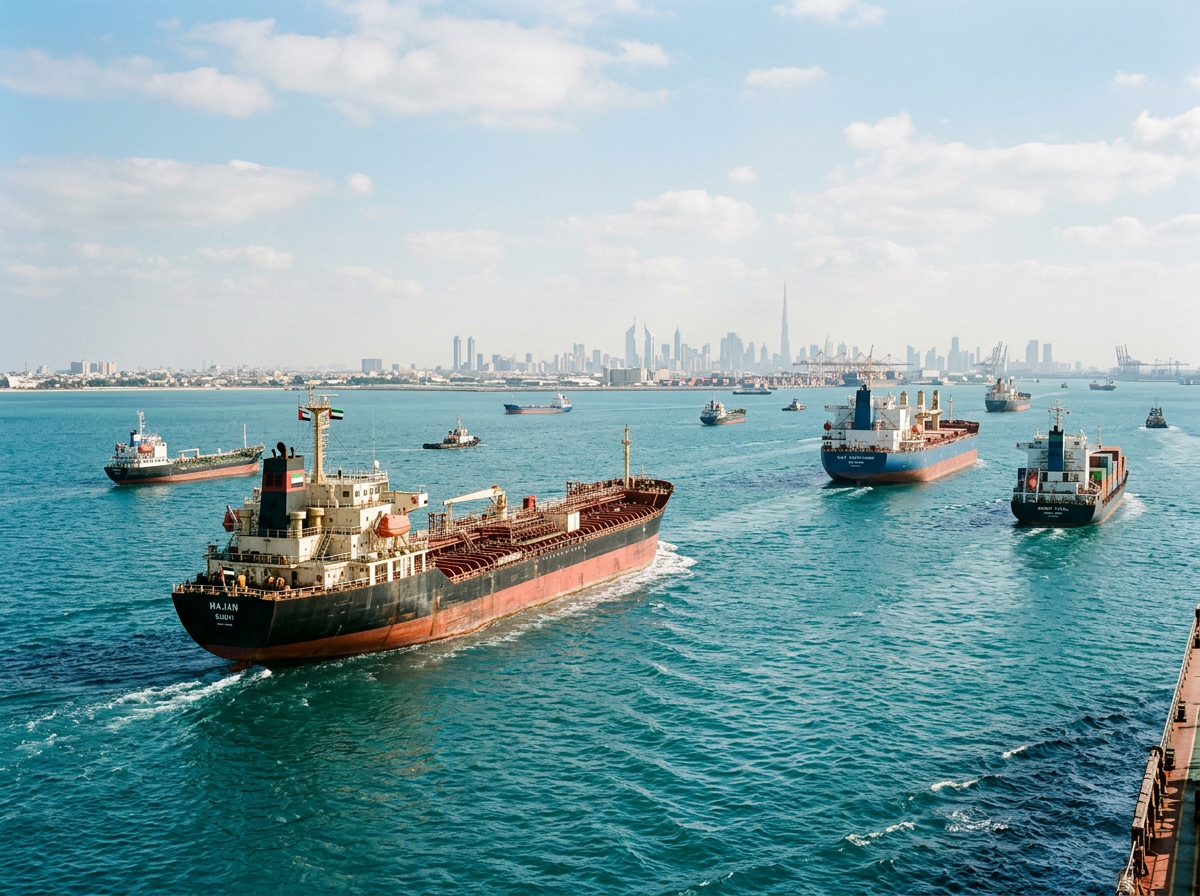
    For years, policymakers and industry executives have treated the waters surrounding the Persian Gulf like a magical corridor where global commerce can flow endlessly without consequences. Oil tankers, container ships, military escorts, shadow fleets, and speculative cargo all squeeze through one of the most geopolitically volatile waterways on Earth — and then everyone acts shocked when disruption follows.

    The reality is brutally simple: the modern global economy has become addicted to cheap maritime transit through unstable regions while refusing to pay the real cost of security, diplomacy, or environmental protection.

    Scream about threats

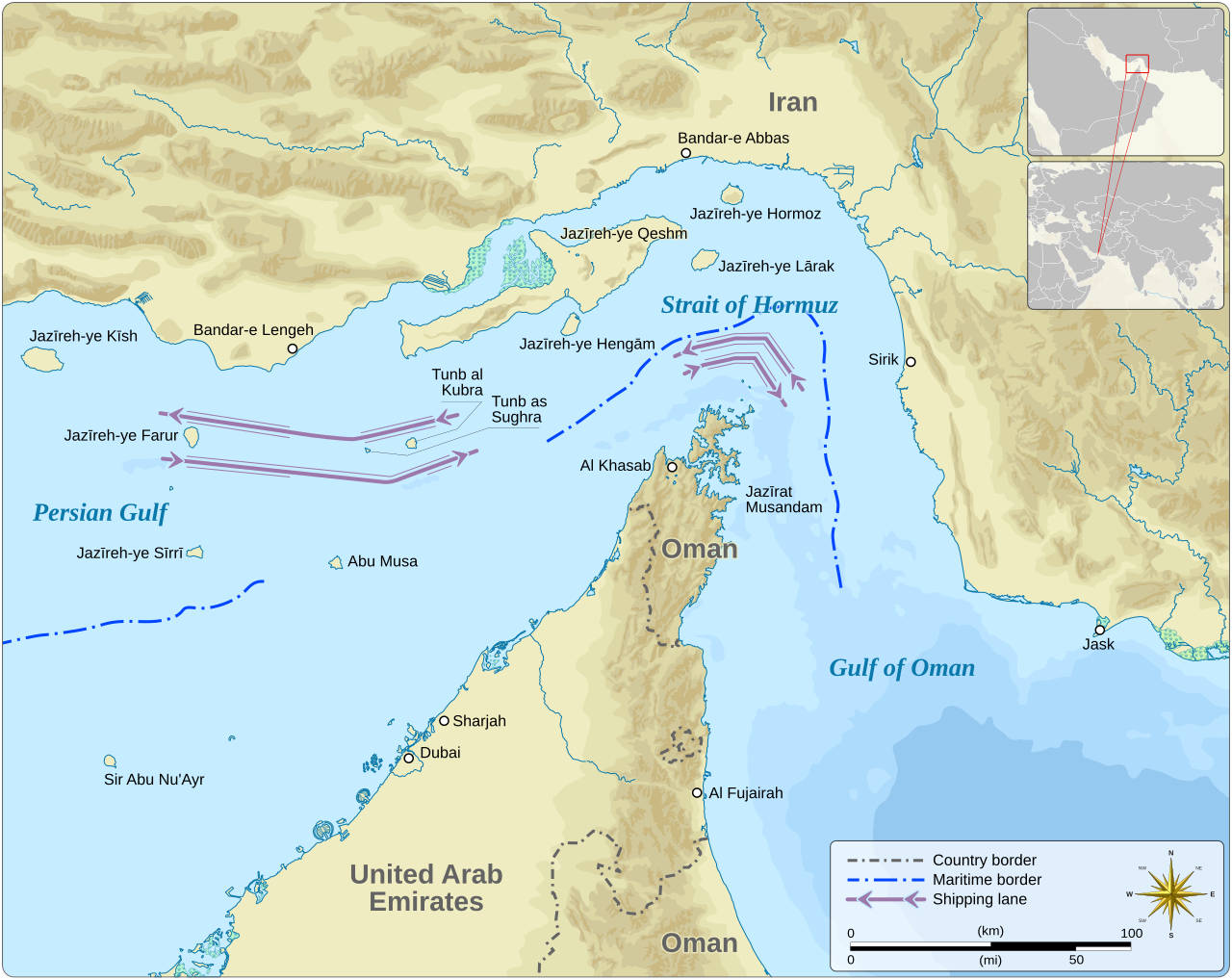
    Every time tensions rise near the Strait of Hormuz, headlines scream about “threats to global shipping.” But the shipping industry itself has spent decades lobbying against stronger regulation, resisting environmental safeguards, exploiting flags of convenience, and externalizing nearly every conceivable risk onto governments and taxpayers. When profits soar, executives celebrate the efficiency of global trade. When missiles fly or insurance rates spike, suddenly the public is expected to subsidize naval protection and absorb inflation shocks.

    That arrangement is unsustainable.

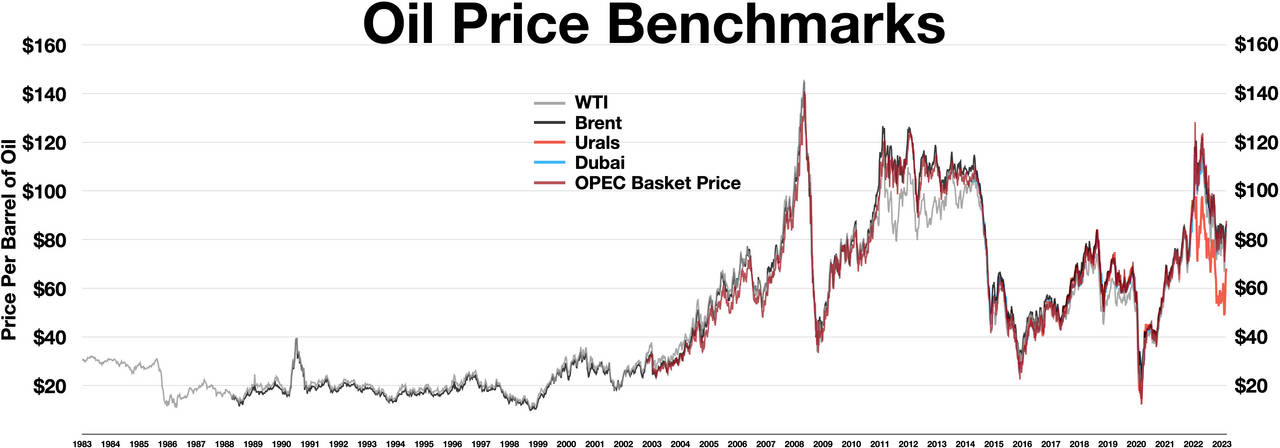
    The Gulf has effectively become the pressure valve for the entire energy-dependent world economy. Roughly a fifth of the world’s oil supply moves through these waters, meaning a single drone strike, seizure, or naval confrontation can rattle fuel prices from Houston to Tokyo overnight. Yet despite decades of warnings, governments and corporations alike have failed to meaningfully diversify shipping routes, accelerate energy transition efforts, or build resilient supply systems.

    Denial and militarization

    Instead, the response has been denial layered on top of militarization.

    Western governments posture about “freedom of navigation” while regional powers play strategic chicken with commercial vessels. Shipping conglomerates continue booking routes because the margins remain irresistible. Insurance firms quietly raise premiums. Consumers complain about gas prices for two weeks and move on. Then the cycle repeats.

    Meanwhile, the environmental hypocrisy is staggering. Gulf shipping lanes are crowded with some of the dirtiest heavy-fuel-burning vessels on the planet. One accident, sabotage incident, or major spill in these shallow waters could devastate marine ecosystems and coastal economies for generations. Yet environmental concerns are treated as secondary to keeping cargo moving at all costs.

    No alternatives?

    The industry’s defenders insist there is no alternative — that globalization depends on uninterrupted Gulf transit. That argument is intellectually lazy. Alternatives exist: regionalized supply chains, accelerated renewable energy investment, expanded rail freight infrastructure, diversified energy sourcing, and stricter maritime accountability standards. What is missing is political will and corporate honesty.

    The uncomfortable truth is that global shipping in the Gulf has become a monument to short-term thinking. Everyone involved knows the risks are escalating. Everyone knows a major regional conflict could cripple world trade within days. Everyone knows the current system is environmentally reckless and strategically fragile.

    And still, the ships keep coming.

    Not because the system is stable.

    The world has chosen instability instead of change, thinking it is cheaper—until the real cost shows up.